
Rising damp
Rising damp treatment in Hull & East Yorkshire.
Rising damp is real, but it’s also blamed for a lot of damp that comes from somewhere else. We confirm it’s rising damp before we treat it, then install a new damp-proof course and replaster the wall properly.
Backed by guarantees of up to 30 years.
Diagnosis first
Making sure it really is rising damp.
Before quoting for a damp-proof course, we check for the things that often get mistaken for rising damp: soil or paving built up above the damp-proof course, a rendered plinth bridging it, a leaking pipe or gutter, or condensation low down on a cold wall. Fixing those is usually cheaper, and injecting a new damp-proof course won’t cure any of them.
If you haven’t had a survey yet, start with a damp survey.
The treatment
Chemical damp-proof course injection.
Where rising damp is confirmed, we install a new chemical damp-proof course. Holes are drilled into the mortar joint along the base of the wall at regular spacings, and a damp-proofing cream is injected. It spreads through the mortar and forms a water-repellent barrier that stops ground moisture rising further up the wall.
Before drilling we move furniture and remove fixtures from the base of the wall, and we protect floors and belongings while we work.
Replastering
Hacking off and salt-resistant replastering.
Injecting a new damp-proof course is only half the job. Years of rising damp leave salts in the old plaster, and those salts keep drawing moisture from the air. Left in place, the wall will stay damp and stained even after the damp-proof course is working.
So we hack off the contaminated plaster, typically to around a metre high or further where the damp or salts go higher, and replaster using a salt-resistant plaster system designed for walls recovering from damp. We then finish with a smooth skim coat ready for decorating.
Drying out & decorating
Drying and decorating times.
A solid wall that’s been damp for years takes time to dry out fully, often several months, depending on its thickness, the time of year and how well the room is heated and ventilated. You don’t need to wait that long to use the room.
Once the new plaster has dried, you can decorate with a breathable, water-based emulsion. We recommend holding off on vinyl wallpaper, oil-based paints and heavy furniture tight against the wall until it has fully dried, so any remaining moisture can escape. We’ll give you specific advice for your job.
Guarantee
Guaranteed work.
The chemical damp-proof course is guaranteed for 30 years, and the salt-resistant replastering we carry out with it for 10 years. The guarantee stays with the property if you sell. See our full guarantee terms.
One firm for the whole job
We do the replastering and making good ourselves.
We do the hacking off, replastering, making good around sockets, radiators and fittings, and decorating ourselves, so you’re not left with a half-finished room waiting for a separate plasterer.
That means one firm, one point of contact and one price, with no gap between the damp work finishing and a separate plasterer or decorator turning up. See our plastering and decorating services for more on that side of the work.
Before & after
What it looks like before and after.
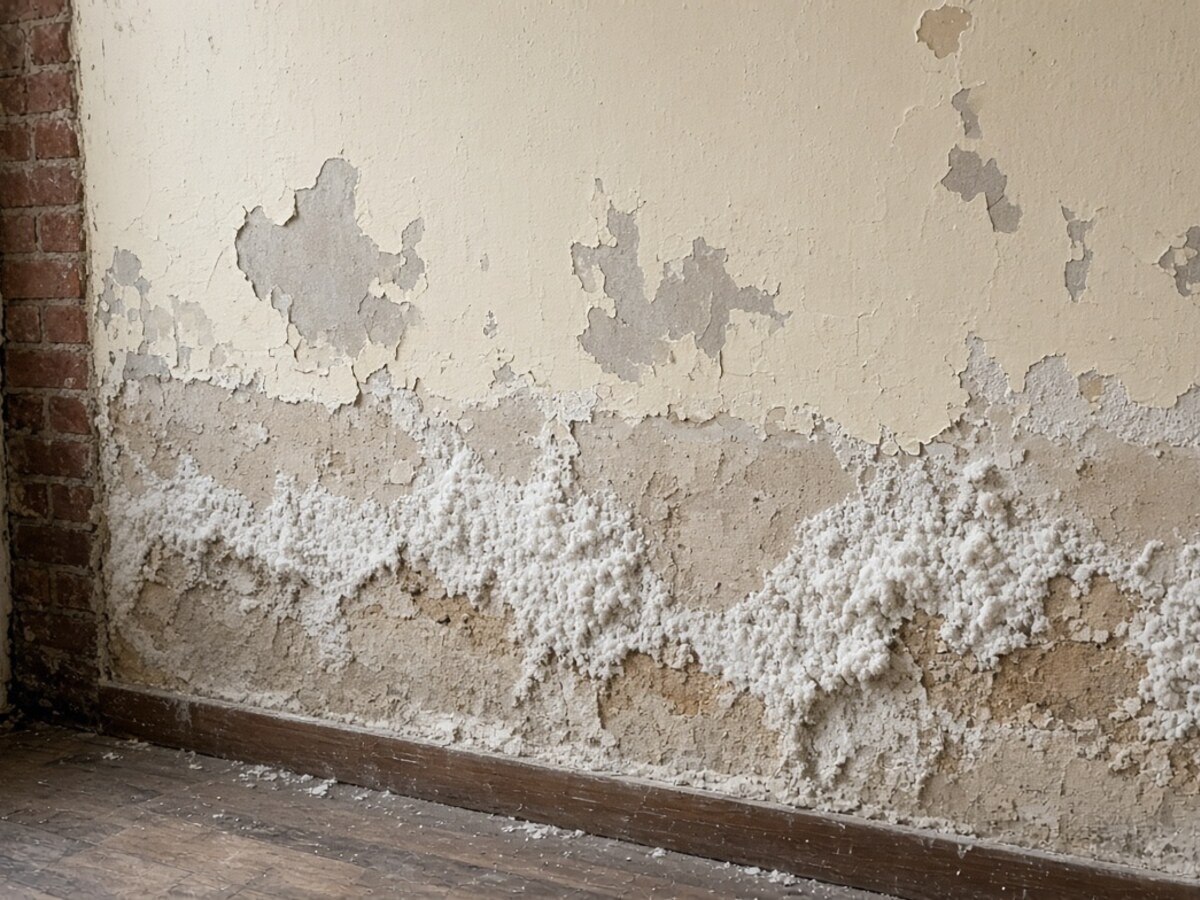 AI-generated illustration
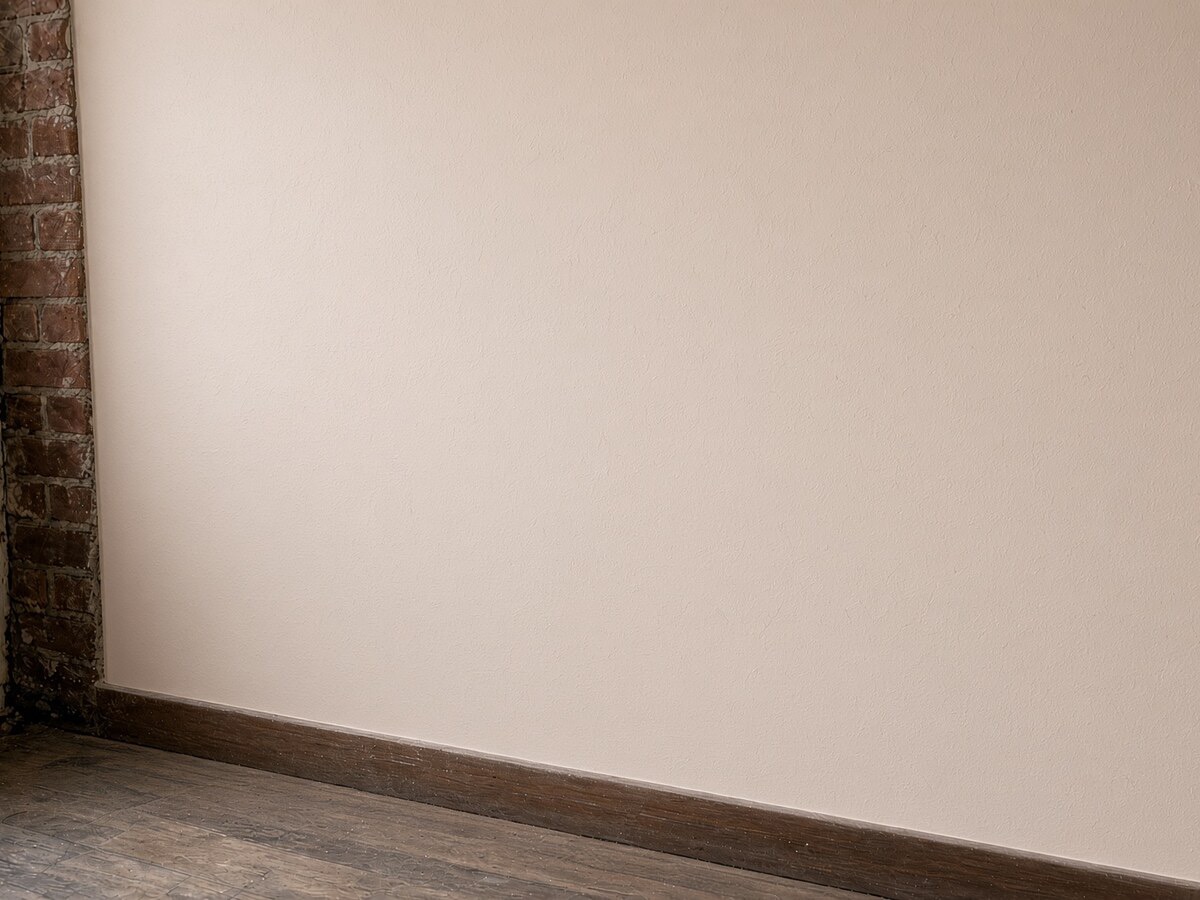 AI-generated illustration
Images marked “AI-generated illustration” show typical damp problems and repairs. They aren’t photos of our own work, and we’ll replace them with photos from real jobs as they’re completed.
Related services
Other damp problems we deal with.
Book a damp survey
We’ll confirm whether it’s rising damp before recommending any treatment.
Backed by guarantees of up to 30 years.
Damp-proof course injection: 30-year guarantee. Replastering: 10 years. Guarantee terms.
Frequently asked questions
Rising damp FAQs.
How do I know if I have rising damp?
Typical signs are damp and a tide mark low on ground-floor walls, salt staining and blown plaster or paint near the floor. But several other problems look similar, so a survey is the only way to be sure.
Why do you need to remove the plaster?
Old plaster affected by rising damp is contaminated with salts that keep drawing in moisture. Unless it’s removed and replaced with a salt-resistant plaster, the wall can stay damp and stained after treatment.
How long before I can decorate?
Once the new plaster has dried you can use a breathable, water-based emulsion. Hold off on vinyl wallpaper and oil-based paints until the wall behind has fully dried out, which can take several months.
Is the treatment guaranteed?
Yes. The damp-proof course injection is guaranteed for 30 years and the replastering for 10 years. The guarantee passes to the new owner if you sell.